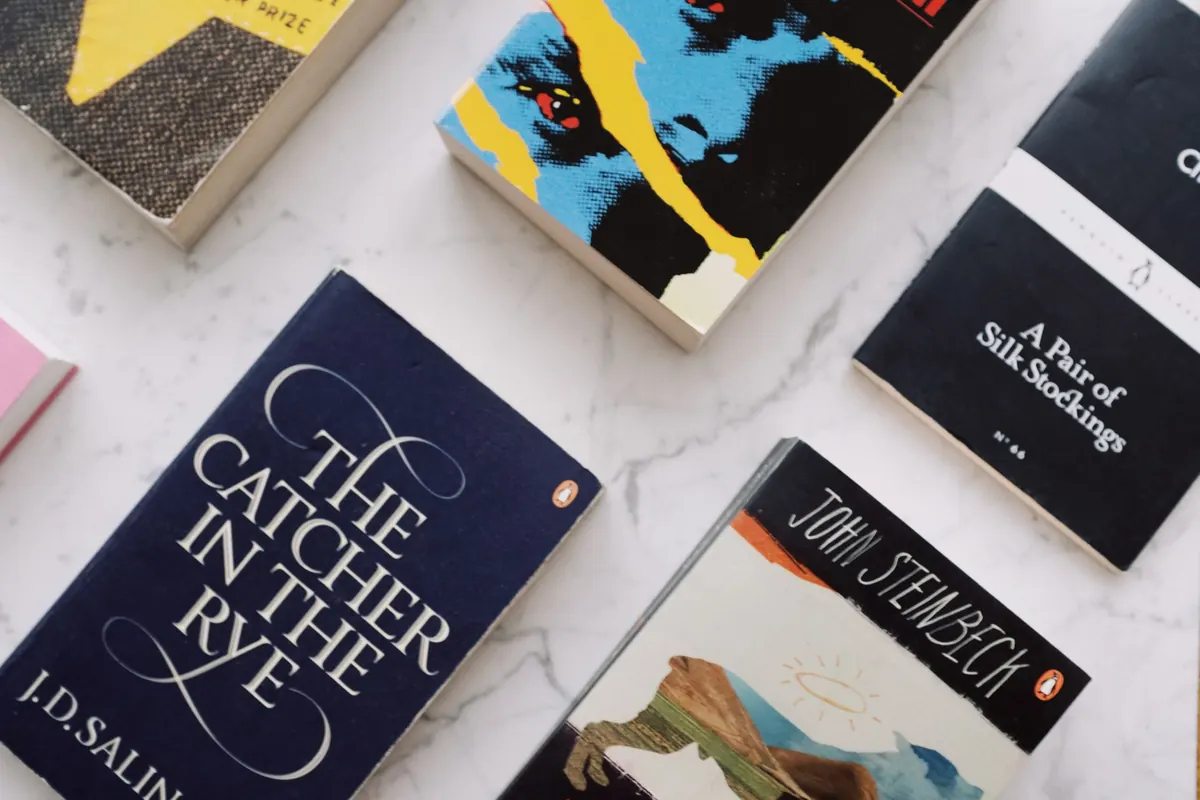
A book title is the shortest piece of writing you will ever produce for your book, and often the most consequential. Readers meet it before the cover, before the blurb, before the first page. On a crowded table in a bookshop, in an online search result, or in a friend's hurried recommendation, the title and subtitle are frequently the entire pitch.
That is also why titling so often feels harder than writing the book itself. It needn't be. A non-fiction title does two jobs at once, and once you can see those jobs clearly, the drafting becomes far less painful.
Every title has to do two things. First, it has to make the right reader stop and recognise themselves: this is for me, and it offers something I want. Second, it has to be findable — by a search engine, by a retailer's search box, by a bookseller deciding which shelf it belongs on.
Those two jobs pull in different directions. Benefit-led titles are warm and human but can be vague; keyword-led titles are findable but can read like a spreadsheet. The subtitle is where you settle the argument. Treat the title as the hook and the subtitle as the explanation, and you will rarely go far wrong.
Weak titles describe a subject. Strong titles describe a change. A History of Sleep tells you what is inside. Sleep Like a Grown-Up tells you what you get. The second isn't automatically a better book, but it is a better title.
Try this: write one sentence describing what a reader can do, feel or understand after finishing that they couldn't before. Then strip it back to four or five words. A reliable pattern is promise first, qualifier second — something like The Slow Fix: A calm, practical guide to repairing furniture you already own. The title carries personality; the subtitle tells you exactly what you are buying.
Be wary of abstraction. Words such as journey, blueprint, awakening and untold have been used so heavily that they now signal nothing. If your title could belong to three hundred other books, it belongs to none of them.
Subtitles are not decoration. They answer three questions: who is this for, what does it deliver, and what kind of book is it? A reader should be able to answer all three without opening the cover.
Keep it to roughly six to twelve words. Name the audience if it is specific — "for new managers", "for parents of teenagers". Name the format if that helps — "a practical workbook", "a short guide". And never repeat the title's own words. The Calm Mind: How to Have a Calm Mind wastes the most valuable line of text in the book.
Readers search in plain language: "guide to growing vegetables in pots", "book for new managers", "workbook for anxiety". Put that natural phrase in the subtitle, where it reads as information rather than stuffing. Use it once and move on.
Retailers often treat the title and subtitle as separate fields, so fill both properly rather than cramming everything into one long string. Avoid repeated words, invented terms and punctuation that splits a phrase a reader would type as a whole. Before you commit, search your final title. If an established book already owns the phrase in your category, choose something else — being confused with another title costs you readers.
Read the title and subtitle aloud several times. Anything that trips the tongue, or that needs a clarifying "well, it's really about..." afterwards, should be cut. Titles travel by word of mouth, and word of mouth is spoken.
Show it to ten people in your intended audience — not friends who will be kind. Ask two questions: what do you think this book is about, and who do you think it's for? If half of them describe a different book, you have a clarity problem, not a cleverness problem.
Keep a one-line rationale for your choice: who it is for, and what it promises. That sentence will serve you well in a proposal, a cover meeting or a conversation with a bookseller. Write the final title on a sticky note and put it above your desk while you finish the manuscript; it is a useful reminder of the promise the book has to keep.
If you are working with a publisher, expect the title to be discussed and possibly changed. That is a conversation about the market, not a verdict on your writing — but make sure whatever replaces it still tells the truth about the book.
A good non-fiction title can be said aloud, without a preamble, and watched as the right reader leans in. Get that far and the rest of the cover has an easier job.
Photo: ready made / Pexels
A practical, step-by-step guide to planning a local book launch in the UK — choosing a venue, building a guest list,...
A practical pre-submission checklist for UK agents: formatting, synopsis, word count and file naming, plus fifteen...

Pamphlets and full collections ask different things of your poems, your budget and your patience. Here is how to...

Illuminating stories, one book at a time..
