Most poets reach the point where the question changes. It stops being 'are these poems good enough?' and becomes 'what exactly am I sending, and to whom?' That second question has a practical answer, and it usually comes down to choosing between two formats: the pamphlet and the full collection.
Both are legitimate. Both can be published well. But they ask different things of your work, your budget and your patience, and the order in which you attempt them matters more than most poets expect.
A pamphlet, sometimes called a chapbook, is a short publication: typically 20 to 30 pages, holding somewhere between 12 and 24 poems. It might be stapled, sewn or perfect-bound, and for many poets it is the first thing they publish in book form.
The common mistake is treating it as a holding pen for poems that did not fit anywhere else. A good pamphlet is not a smaller collection; it is a different shape of book. It works best when it has a centre of gravity — a sequence, a place, a voice, a set of concerns the poems keep circling back to.
That makes the form ideal for long sequences, poems that answer each other, and work that is strong but narrow. Read the guidelines closely: page counts and poem counts vary between publishers, and some want a single sustained sequence while others want a varied selection.
There is no universal rule, but a full collection is generally 48 pages or more, often 60 to 80, and may hold 40 or more poems. The number matters less than the architecture.
At that length, editors and readers expect the book to do something across time. Sections, arcs, recurring images, a shift in register or thought — these are the things that hold a collection together. A pamphlet can be held in the head in a single sitting. A collection has to survive several.
Submissions are read differently, too. An editor considering a full collection is usually asking whether the manuscript is finished rather than promising, and whether the poet has an audience. That is a higher bar, and it says nothing about the quality of the individual poems.
Neither route is free, though they cost in different ways.
Pamphlet competitions and open calls often charge a reading fee, and many include a copy or two for entrants. Full collection submissions may charge fees as well, or may be free but restricted to poets with a previous book. If you plan to self-publish, you will be looking at printing, an ISBN if you want one, and the cost of proof copies. Postage adds up when a publisher asks for physical manuscripts.
Before you commit, decide what you can spend in a year and hold to it. Read the small print on fees, rights, and what happens to your manuscript if you withdraw it. If the amounts involved are significant for you, treat the decision like any other discretionary spend, and take advice before signing anything you do not understand.
For most poets, the pamphlet is the better first submission. The reasons are practical rather than artistic.
None of that makes a pamphlet a rehearsal. Publish it properly, with the same care you would give a collection, and it will stand on its own.
Sometimes the shorter form is simply the wrong container. Go straight to a collection if you already have a pamphlet or two behind you, if your poems have appeared widely in magazines, or if the manuscript genuinely needs the room — a long sequence with several movements, or a body of work that would be thinned rather than sharpened by cutting it to twenty poems.
It also makes sense if a publisher has invited the submission, or if a press you admire runs an open reading period for debut collections. In that case, send the collection and keep the pamphlet in reserve.
Whichever you choose, the manuscript has to fit the list. Before sending anything, check:
A pamphlet sent to a collection-only press, or the reverse, is a wasted stamp. Five minutes with the guidelines is worth more than another revision.
Your first poem sets the terms and your last one closes them. Put the poem that introduces your voice at the front, not the one you happen to be proudest of.
If two poems do the same job, one of them is not needed. Cut the weaker one and see whether the manuscript tightens.
Read the contents as a poem in itself. If the titles do not suggest a journey, the order probably needs work.
Neither route is a shortcut, and there is no shame in starting small. The pamphlet is the one most poets survive, learn from and build on — which is exactly why it usually goes first.
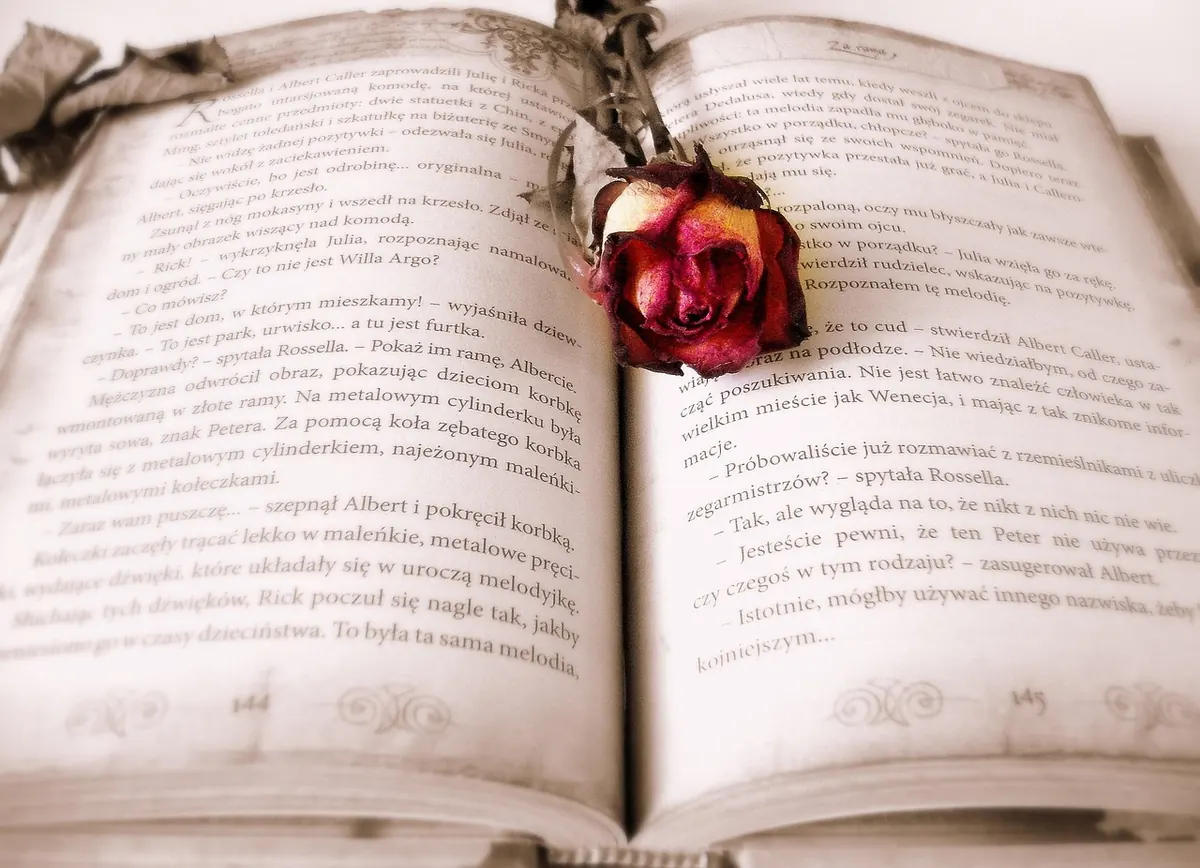
Photo: DGlodowska / Pixabay
A practical, step-by-step guide to planning a local book launch in the UK — choosing a venue, building a guest list,...
A practical guide to crafting non-fiction titles and subtitles that promise a clear benefit, stay findable in...
A practical pre-submission checklist for UK agents: formatting, synopsis, word count and file naming, plus fifteen...

Illuminating stories, one book at a time..
